
Key Takeaways
- Medicare covers limited dental services, mainly those linked to specific medical needs.
- Exploring additional coverage options can help fill common gaps in dental benefits.
Navigating dental coverage under Medicare can be confusing, especially with so many rules and exceptions. Understanding what Medicare does and doesn’t cover is crucial for avoiding unexpected dental expenses. This guide breaks down the limits, reasons behind them, and practical steps you can take to get the care you need.
What Are Medicare Dental Limits?
How Medicare defines dental coverage
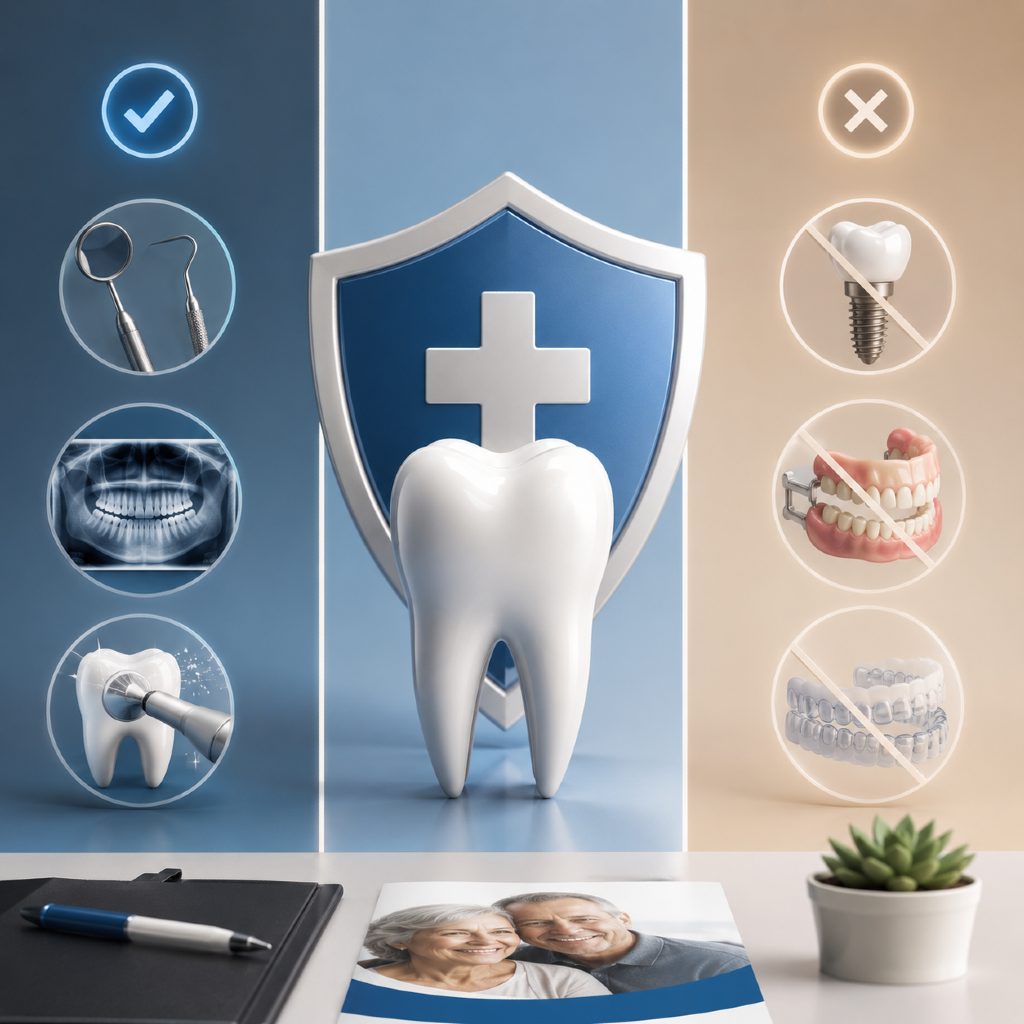
Medicare primarily serves as a health insurance program for individuals age 65 and older, as well as some younger individuals with disabilities. When it comes to dental care, Medicare has a very narrow definition of what is covered. Original Medicare (Part A and Part B) generally does not include coverage for most routine dental care services, such as cleanings, fillings, or dentures. Its dental benefits are typically limited to procedures directly linked to broader medical needs, such as surgery or hospital admissions that require a dental procedure to be accomplished safely.
Typical restrictions for dental services
The restrictions under Original Medicare are significant. Standard dental exams, preventative cleanings, tooth extractions, and restorative work like crowns are not included. Covered services are usually those deemed medically necessary as part of a covered procedure (for example, dental work that must take place before an organ transplant or heart surgery). These exceptions are rare, and most dental costs must be paid out of pocket by the Medicare beneficiary.
Which Dental Services Are Covered?
Routine versus emergency dental care
Routine dental care—including preventive services like cleanings, x-rays, fillings, and extractions—is not covered under Original Medicare. The primary exception lies in emergency or complex dental care related to another covered medical event. For instance, if you suffer a jaw injury in an accident and require dental reconstruction performed in a hospital, Medicare may cover those dental services as part of your inpatient care. Essentially, the dental procedure is only eligible if it is inseparable from the treatment of a covered medical diagnosis.
Criteria for coverage eligibility
In order for Medicare to cover a dental procedure, it must meet strict criteria:
- The dental service should be an integral part of a covered medical condition or treatment (e.g., jaw surgery during trauma care).
- The procedure is often performed in a hospital setting and is medically necessary for the success of broader medical treatment.
- Your provider must document the clinical necessity linking the dental procedure to the covered medical care you are receiving.
If a dental service is stand-alone, routine, or otherwise unrelated to a covered procedure, it will not be eligible for reimbursement.
What Dental Care Is Excluded?
Common dental procedures not included
Most standard dental care falls outside Medicare coverage. This includes:
- Regular dental exams and cleanings
- Fillings for cavities
- Tooth extractions not linked to covered procedures
- Crowns, bridges, implants, and dentures
- Orthodontics and cosmetic procedures
- Periodontal (gum) treatments
For these types of services, individuals must pay the entire cost or pursue alternative coverage options beyond Original Medicare.
Why exclusions exist in coverage
Medicare’s exclusion of most dental services dates back to its original design in the 1960s. The program was established to address major health needs, not routine dental care, which was seen as separate from medical coverage. Over time, this position has been maintained due to cost concerns, the complexity of integrating dental networks, and debates over whether dental should be covered under a federal health program. As a result, routine and preventive dental care remain outside core Medicare benefits.
Why Does Medicare Limit Dental Benefits?
Historical reasons for policy limits
When Medicare was created in 1965, dental care was intentionally excluded from the list of benefits. At the time, dental health was considered distinct from overall medical health, and lawmakers aimed to keep program costs manageable. The view was that dental care would remain a personal responsibility or be handled through other resources. Over the years, there has been debate about expanding dental coverage, but federal law has preserved these limitations to this day.
How limits impact beneficiaries
For many Medicare beneficiaries, the lack of standard dental coverage leads to significant out-of-pocket expenses. Poor dental health can contribute to broader health issues, making the gap in coverage especially challenging for older adults. Beneficiaries must plan for these expenses or seek additional coverage, which can create confusion and financial stress if not properly prepared for.
How Can You Get More Dental Coverage?
Coverage options beyond Original Medicare
While Original Medicare offers limited dental benefits, you have several options to expand your coverage:
- Medicare Advantage (Part C) Plans: Many of these private plans offer dental benefits, which can include routine exams, cleanings, and sometimes more extensive dental work. Benefits, provider networks, and costs vary widely by plan.
- Standalone Dental Insurance: You can purchase a separate dental policy outside of Medicare. These plans are typically offered by private insurers and may cover preventive and restorative procedures.
- Discount Dental Plans: These non-insurance programs provide discounts on dental services from participating providers, but do not provide insurance coverage.
- Community Health Programs: Some local and state programs offer dental benefits for eligible older adults at reduced cost or on a sliding fee scale.
Considerations for additional dental benefits
If you decide to seek more comprehensive dental coverage, consider the following factors:
- Network restrictions: Make sure your preferred dentist participates in the plan’s provider network.
- Coverage limitations: Review which procedures are included and if there are annual limits or waiting periods.
- Total costs: Factor in premiums, copayments, coinsurance, and maximum annual benefit amounts.
- Plan fit: Ask yourself whether the coverage aligns with your typical dental needs and health history.
Taking these steps will help ensure you select coverage that meets your needs and minimizes future out-of-pocket expenses.
What Questions Should You Ask?
Key facts to verify before enrolling
Before enrolling in a plan with dental benefits, always confirm:
- Which specific dental services are included and excluded
- Annual maximums and waiting periods for procedures
- How emergency dental services are handled
- Whether your dentist and specialists are part of the plan’s network
- If pre-authorization is needed for any services
Having clear answers to these questions will protect you from surprises later.
Avoiding common dental coverage pitfalls
To avoid common missteps, never assume that all dental work is covered just because a plan advertises “dental benefits.” Always ask for a summary of benefits, read the fine print, and compare multiple coverage options before choosing. If in doubt, consult a licensed professional for additional guidance, but remember that selection and responsibility for costs ultimately rests with you.